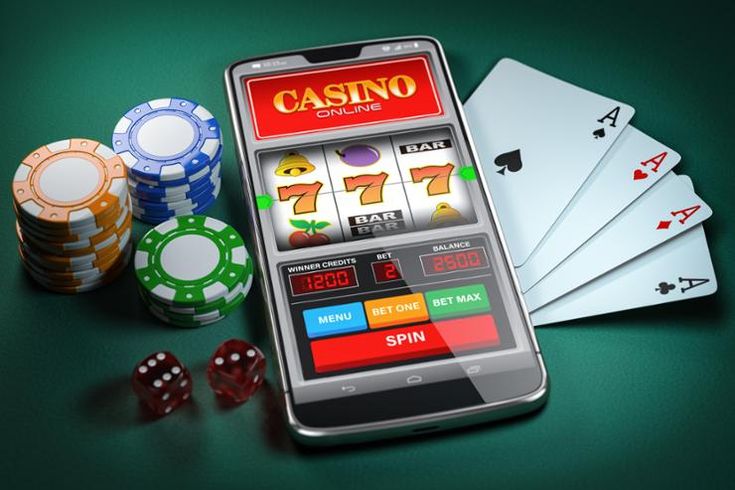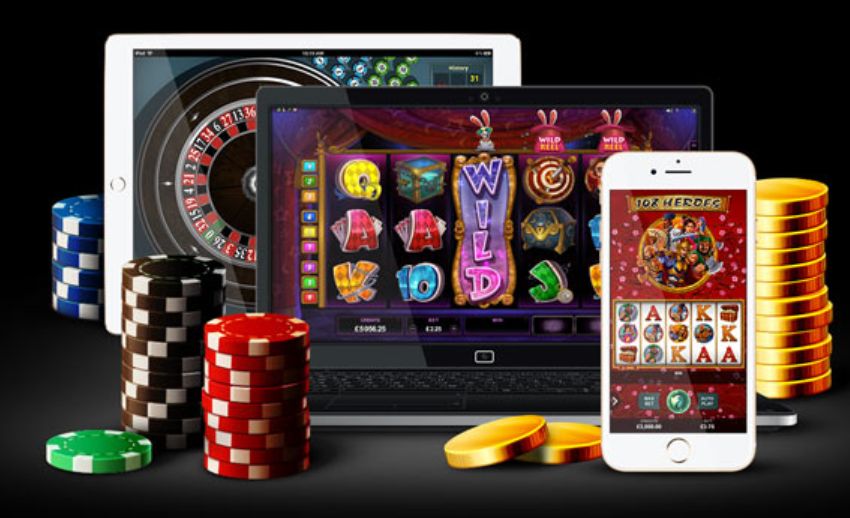
The online casino industry has quietly become one of the most significant sectors of digital entertainment, reshaping how millions of people think about gambling and leisure time. What once required a trip to a physical venue, complete with travel, dress codes, and fixed operating hours, is now available instantly through a smartphone screen. This shift did not happen overnight; it took decades of incremental progress in internet infrastructure, payment security, and software design to reach the level of polish seen today. Early online casinos in the 1990s were clunky, slow, and often viewed with suspicion by potential customers who worried about the safety of sending money to an unfamiliar website. Gradually, as encryption technology improved and licensing bodies established credibility, trust in these platforms grew substantially. Smartphone adoption then accelerated the industry’s growth even further, turning gambling from an occasional outing into something that could happen anywhere, at any time. The result is a multibillion-dollar global market that continues to expand each year, drawing in both seasoned gamblers and casual newcomers alike.
One of the defining features of online casinos is the sheer scale of choice they offer compared to any brick-and-mortar establishment. A single platform can host thousands of slot titles, each with distinct themes, mechanics, and payout structures, something no physical casino floor could ever replicate due to space constraints. Classic table games like blackjack, roulette, baccarat, and craps are all represented, frequently in several rule variations that cater to different regional preferences and betting styles. Video poker occupies its own niche, blending the strategic depth of card play with the fast pace of a slot machine. Live dealer studios have introduced a hybrid experience where a real human deals cards or spins a wheel while being streamed to players around the world, recreating some of the social energy of an in-person visit. Specialty games such as bingo, keno, and instant-win scratch cards attract players looking for something lighter and less strategically demanding. This enormous variety allows operators to serve nearly every type of player, from high-stakes strategists to casual weekend spinners looking to unwind.
Behind every digital spin or card deal lies a layer of technology that most players never think about but that determines whether the experience is fair and trustworthy. Random number generators, commonly abbreviated as RNGs, are the mathematical engines responsible for producing unpredictable outcomes in slots and many table games. These systems are built to eliminate patterns that could be exploited, and credible operators submit them to third-party testing labs for regular audits and certification. Beyond fairness, the visual and audio production of modern games has climbed to genuinely cinematic levels, featuring detailed animation, licensed soundtracks, and elaborate bonus sequences. Mobile-first design has become a necessity rather than an afterthought, since the majority of sessions now begin on a phone rather than a desktop computer. Cloud computing allows platforms to handle enormous surges in traffic, such as during a major sporting event or a heavily promoted new game launch, without crashing or slowing down. All of this infrastructure operates largely invisibly, letting players focus on entertainment rather than the engineering that makes it possible.

Regulation plays a decisive, if often overlooked, role in determining how safe and fair an online casino actually is for the people using it. Licensing authorities such as the UK Gambling Commission, the Malta Gaming Authority, and a growing list of individual state regulators in the United States each impose their own standards for operator conduct. These standards typically cover fund segregation, meaning player deposits must be kept separate from a company’s operating capital so that business troubles never put customer money at risk. Identity verification and anti-money laundering checks are also standard requirements, designed to prevent the platforms from being used for illicit financial activity. The global regulatory picture is far from uniform, with some countries banning online gambling entirely, others running state-controlled monopolies, and still others allowing competitive, privately operated markets. This inconsistency means the same game might be perfectly legal and closely regulated in one country while being completely inaccessible in a neighboring one. Prospective players are generally well advised to confirm an operator’s license before depositing funds, since unlicensed platforms typically offer little to no recourse when disputes arise. For more information please visit TFBO
Money, mathematics, and marketing are deeply intertwined in how online casinos operate, and understanding this relationship helps players make more informed choices. Virtually every casino game carries a built-in house edge, a statistical advantage that ensures the operator profits over a large enough sample of play, regardless of any individual session’s outcome. This edge differs by game type, with skill-influenced games like blackjack and certain poker variants offering comparatively favorable odds when played with optimal strategy. Return-to-player percentages, usually published for slot games, indicate the theoretical share of wagered money that flows back to players across many thousands of spins. Bonuses, free spin offers, and loyalty rewards are widely used marketing tools intended to attract new players and keep existing ones engaged, though they almost always come with wagering requirements that must be satisfied before any winnings can be withdrawn. Payment options have diversified considerably, now including traditional cards, digital wallets, bank transfers, and in some markets, cryptocurrency. A clear-eyed understanding of these financial mechanics is essential for anyone who wants to enjoy the games without unrealistic expectations of consistent profit.
The psychological and social dimensions of online gambling deserve just as much attention as its technology and economics, since constant availability introduces risks not present in traditional casino visits. A physical casino naturally imposes breaks through travel time, closing hours, and the simple friction of leaving the house, all of which are absent from an app that never closes. Features like autoplay, rapid betting cycles, and frequent promotional notifications can intensify engagement in ways that researchers have compared to other behavioral addiction patterns. In response, reputable operators now build responsible gambling tools directly into their platforms, including deposit limits, self-exclusion options, and reminders about session length. Public health researchers in several countries have begun studying online gambling as a distinct category of risk, separate from land-based gambling behavior. Friends and family members sometimes notice warning signs, such as changes in mood or unusual spending patterns, before the player recognizes the problem themselves. Confidential support services and helplines are available in most regulated markets, and reaching out early has been shown to make a meaningful difference for people who feel their play slipping out of their control.
Looking toward the future, several emerging trends suggest that online casino games will continue evolving well beyond their current form. Virtual reality casinos are still in relatively early development but aim to recreate the sensory immersion of walking through a physical gaming floor entirely within a digital headset. Artificial intelligence is increasingly deployed both to personalize game recommendations for individual players and, more importantly, to flag early behavioral signs of problem gambling before they worsen. Blockchain-based platforms are gaining a niche following among players who value transparent, verifiable payout records over traditional centralized trust. Esports betting and skin-based wagering have introduced new hybrid categories that blur the boundaries between casino gambling and competitive gaming culture. Governments will likely continue adjusting their regulatory frameworks as they weigh consumer protection against the tax revenue and economic activity a licensed gambling sector generates. Regardless of which specific technologies ultimately take hold, the core appeal of online casino games, convenience, variety, and the timeless thrill of chance, appears set to keep this industry firmly rooted in mainstream entertainment for years to come.